FIRST HOME BUYERS
Buying your first home in the Southern Highlands
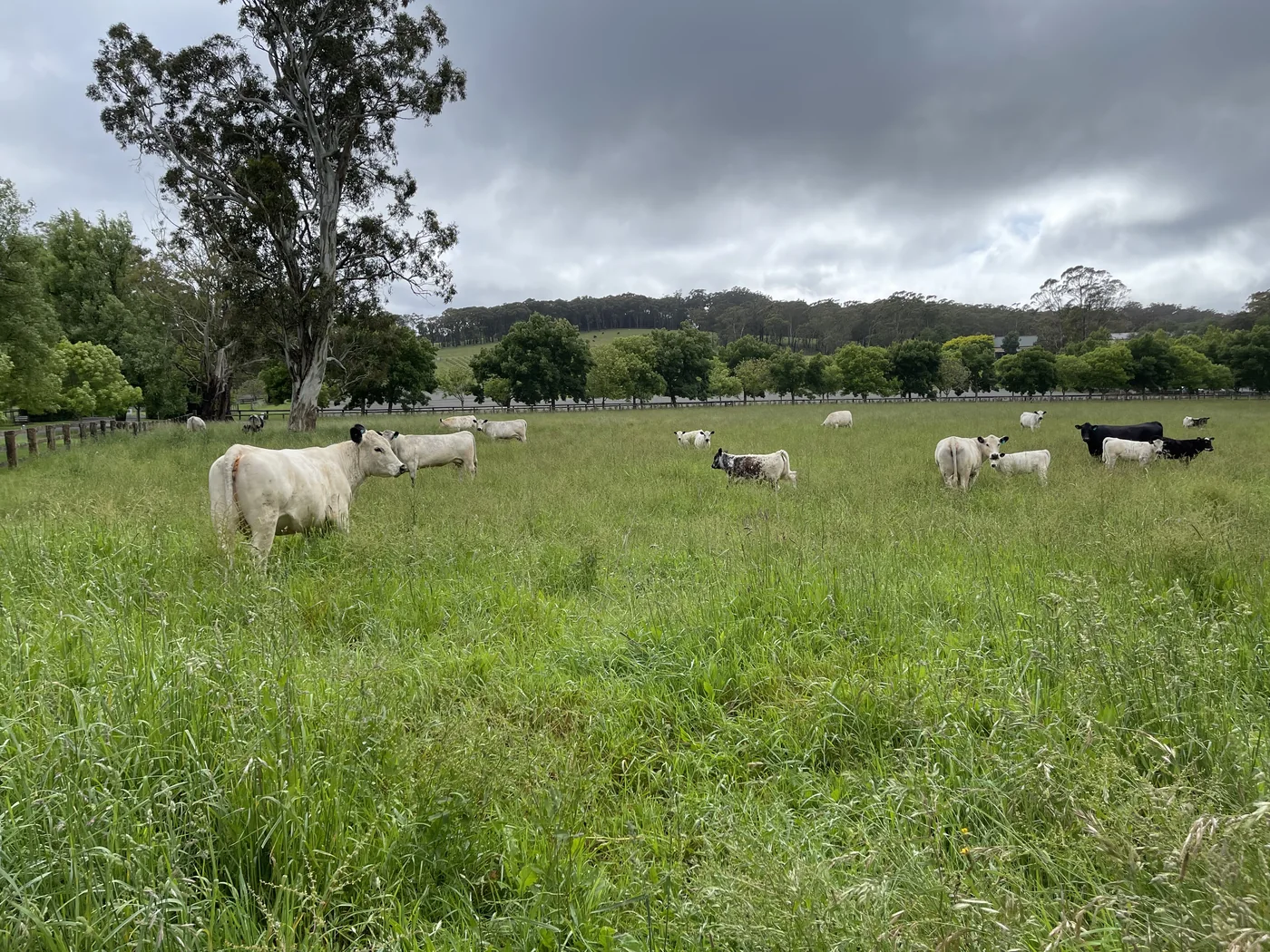
Photo: “Bowral countryside” by SteveJackson70 / Wikimedia Commons · CC BY-SA 4.0 · Resized and compressed.
You might still be saving, comparing places in Bowral or heading to your first open home in Mittagong. Wherever you’re starting, it helps to get a few finance questions answered before you decide what to offer.
How much cash will you need? What repayments could you manage? Does first-home buyer assistance apply to you?
Here’s a practical starting point for buying your first home in the Southern Highlands, without needing to learn every lending term at once.
Start with repayments you could live with
A lender’s borrowing estimate is useful, but your own budget matters too. Think about the repayments alongside groceries, transport, childcare, existing debts and the things you still want room for.
Home ownership also brings expenses such as council rates, insurance and maintenance. Consider how the budget would cope with higher repayments or a change in income. ASIC Moneysmart’s buying guide explains why your comfortable borrowing amount can differ from a lender’s maximum.
Make that budget specific to your search. If you’re comparing homes in Moss Vale and Bowral, write down the likely commute and running costs for each, rather than judging the options on their advertised prices alone.
Work out the cash you need beyond the deposit
Your savings may need to cover more than your contribution to the property price. Allow for legal or conveyancing fees, inspections, transfer duty if payable, moving expenses and any loan-related costs. Keep some room for unexpected expenses after moving in.
A smaller deposit can mean a larger loan and additional costs. Depending on the lender and your circumstances, lenders mortgage insurance, or LMI, may apply. LMI protects the lender if you cannot repay the loan; it does not protect you. Some eligible buyers can avoid it through an assistance scheme. ASIC Moneysmart explains deposits and LMI.
Before committing to a property, ask for an estimate of the total funds required and when each payment is due. Don’t assume the deposit percentage in a loan discussion is the same as the deposit required under your purchase contract.
Check assistance schemes separately
“First-home buyer assistance” covers different programs. Qualifying for one does not automatically qualify you for another.
NSW transfer duty assistance
Under the NSW First Home Buyers Assistance Scheme, eligible buyers of new or existing homes valued at up to $800,000 can receive a full transfer duty exemption. A concession may apply above $800,000 and below $1 million.
Eligibility includes checks on your and your spouse or partner’s property history, previous assistance, citizenship or residency, and the purchase itself. For current contracts, ordinarily at least one eligible buyer must move in within 12 months of settlement and live there continuously for at least 12 months. Different thresholds apply to vacant land. Check the full Revenue NSW requirements with your solicitor or conveyancer.
NSW First Home Owner Grant
The $10,000 First Home Owner Grant is a separate program for qualifying new homes, including certain substantially renovated properties. It is not available for an ordinary established-home purchase.
The purchase-price limit for a qualifying new home is $600,000. For eligible land-and-build arrangements, the combined land and building cost, including variations, must not exceed $750,000. Personal eligibility and residence requirements also apply. See Revenue NSW’s grant details.
Australian Government 5% Deposit Scheme
Eligible buyers may purchase with a minimum 5% deposit without paying LMI under this scheme. There are no income caps, but a participating lender still needs to approve the loan.
Criteria include being an Australian citizen or permanent resident aged at least 18, being a first-home buyer or not having owned Australian property or land in the previous 10 years, meeting the property-price cap and buying to live in the home.
The government provides a guarantee to the lender. You remain responsible for the loan and its costs. Check the official first-home buyer criteria, and confirm the cap for the specific property with a participating lender.
Other programs work differently
Help to Buy involves government shared equity and future repayment obligations. The First Home Super Saver scheme uses eligible voluntary super contributions and has tax and withdrawal rules. Check suitability, eligibility and whether programs can be combined before including them in your purchase plan.
Get your information organised
For a first conversation, a rough picture of your savings, income, commitments and timing is enough.
A lender’s application will need more detail. Common requests include identification, evidence of income, bank statements and information about existing debts. Self-employed applicants may need tax returns and business financial statements. The exact documents and periods vary by lender and circumstances; CommBank’s application checklist is one example, not a universal list.
If your income varies or you’ve recently changed jobs, raise that early. Ask what evidence is needed rather than assuming your circumstances rule you in or out.
Keep identification documents and detailed financial information out of a general website enquiry form. Ask how to provide them securely when required.
Understand what pre-approval does
Pre-approval can help you understand a possible borrowing range, but it is conditional. It does not guarantee final finance for whichever property you choose.
Check what has been assessed, what conditions remain and when it expires. The lender still needs to assess the property and confirm your circumstances meet its requirements. ASIC Moneysmart explains pre-approval.
Before making a purchase commitment, discuss the particular property and the required finance timetable. Tell your broker about any changes to your employment, debts or savings rather than relying on an earlier assessment.
Get the contract advice before you commit
Ask your solicitor or conveyancer to review the contract and explain the deposit, deadlines and any protections you need.
In NSW, residential purchases generally have a five-business-day cooling-off period after exchange, with different rules for off-the-plan purchases. There is no cooling-off period when buying at auction, or when contracts are exchanged on the auction day after a property is passed in. Cooling-off rights can also be waived, so obtain advice before agreeing. NSW Government’s contracts and deposits guide explains the rules.
If your search includes a larger rural block, read the Southern Highlands acreage guide as well. Raise the property type and intended use before assuming a standard home-loan approach will fit.
Bring your questions to the first conversation
You don’t need to arrive knowing which lender or loan feature you want.
I can help you work through your plans and compare suitable options from the BMoney lender panel. Rates matter, but so do fees, the loan term and features you will actually use. ASIC Moneysmart’s loan comparison guide explains those trade-offs.
BMoney is a brokerage, not the lender. The bank or non-bank lender makes the final approval decision. Ask me to explain any fees and how I’m paid before proceeding.
If you’re ready to start, visit the first-home buyer page and tell me where you’re up to. Still saving is a perfectly reasonable answer.
This guide is general information, not a personal lending recommendation, tax advice or legal advice. Eligibility, lender requirements and assistance programs can change. Have your circumstances assessed before relying on an option.